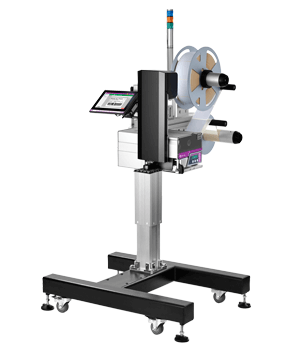
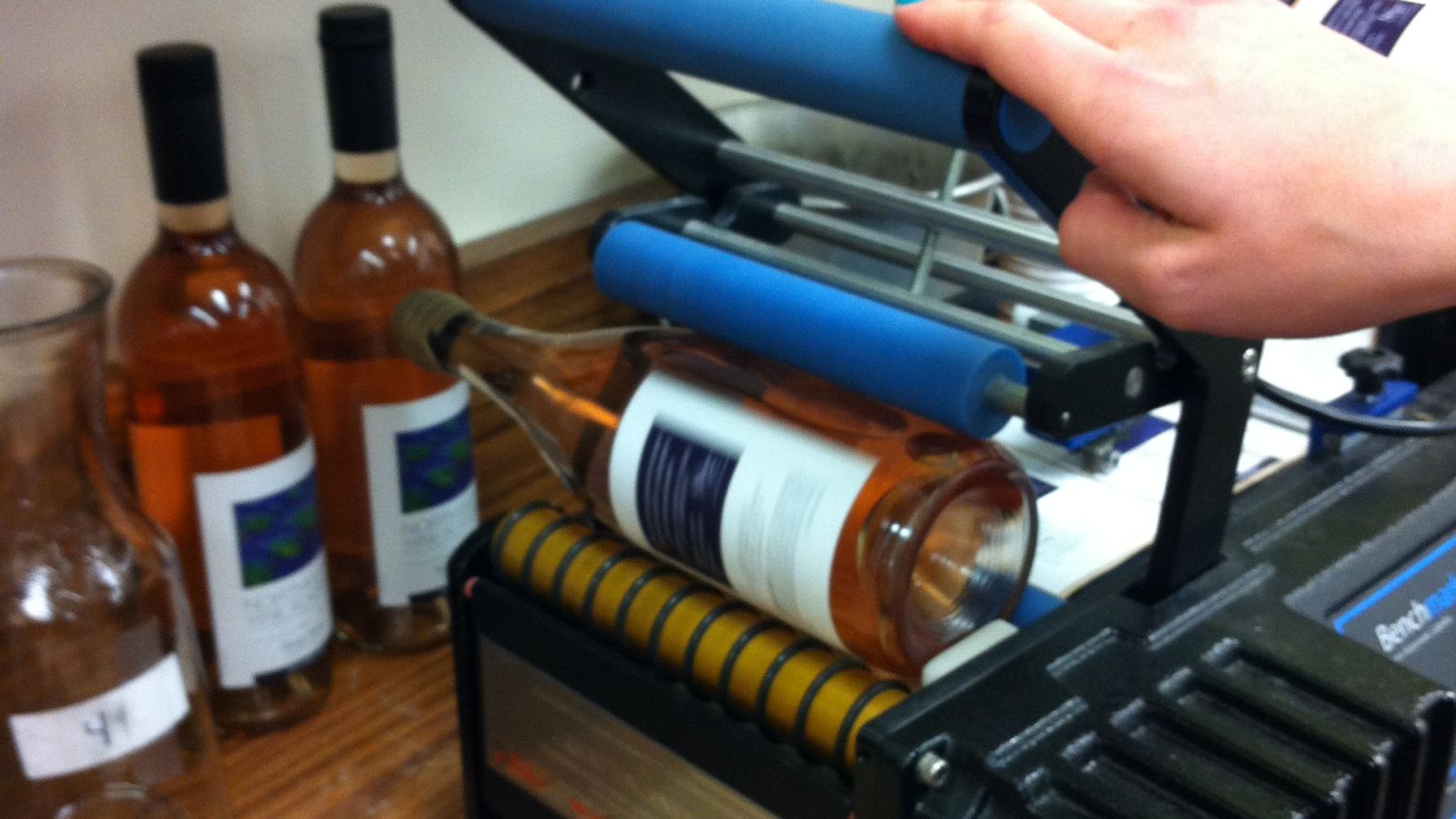
A labeler applies a physical label — pressure-sensitive, sleeve or roll-fed — to the pack. A coder prints a date, lot or barcode directly onto the pack or label. The shortlist splits at that line, and splitting it wrong is the most common sourcing mistake in this category.
The technologies
Pressure-sensitive labelers peel a pre-cut label from a liner and apply it with a tamp, blow-on or wipe-on head. Sleeve labelers drop a shrink sleeve and heat it to conform. Continuous inkjet (CIJ) sprays ink to form characters; thermal transfer (TTO) melts a ribbon for a crisp, durable code; laser etches with no consumable ink. Print-and-apply combines printing and labeling in one station.
Selection factors that decide the machine
Label or code first: start with the labeler if the pack carries a printed label, the coder if it needs a date, lot or barcode.
What the code must survive: scuffing, condensation, freezer or retort push the choice toward TTO or laser.
Speed and substrate: a labeler for wet glass at high speed is not a case labeler.
Consumables: ink, ribbon and label stock dwarf the machine price over its life.
An independent ranking of the top labeling and coding machine manufacturers across self-adhesive, roll-fed, shrink-sleeve, inkjet, laser and thermal coding, with cited specifications.
The difference between applying a label and coding a date, lot or barcode, and the technologies behind pressure-sensitive, sleeve and CIJ/la...
Aug 17, 2026
· 3 min read
Frequently asked questions
Common questions
What is the difference between labeling and coding?
A labeler applies a physical label — pressure-sensitive, sleeve or roll-fed — to the pack. A coder prints a date, lot or barcode directly onto the pack or label using CIJ, thermal transfer or laser. Print-and-apply systems combine both in one station.
Which coding technology should I choose?
CIJ is the workhorse for high-speed date and lot codes; thermal transfer (TTO) gives a crisp, durable code on film and labels; laser needs no consumable ink and suits permanent marking. The choice is driven by what the code must survive — scuffing, condensation, freezer or retort — and the substrate.
How do I choose a labeling machine?
Specify the container, surface and line speed, then match the technology — a pressure-sensitive labeler for flat packs, a sleeve labeler for shrink decoration, or a roll-fed labeler for high-speed round bottles. Confirm label and machine are qualified together.
What are the running costs of coding and labeling?
CIJ ink and make-up, thermal-transfer ribbon and label stock are recurring costs that dwarf the machine price over its life. Quote consumables together with the machine, not separately.