
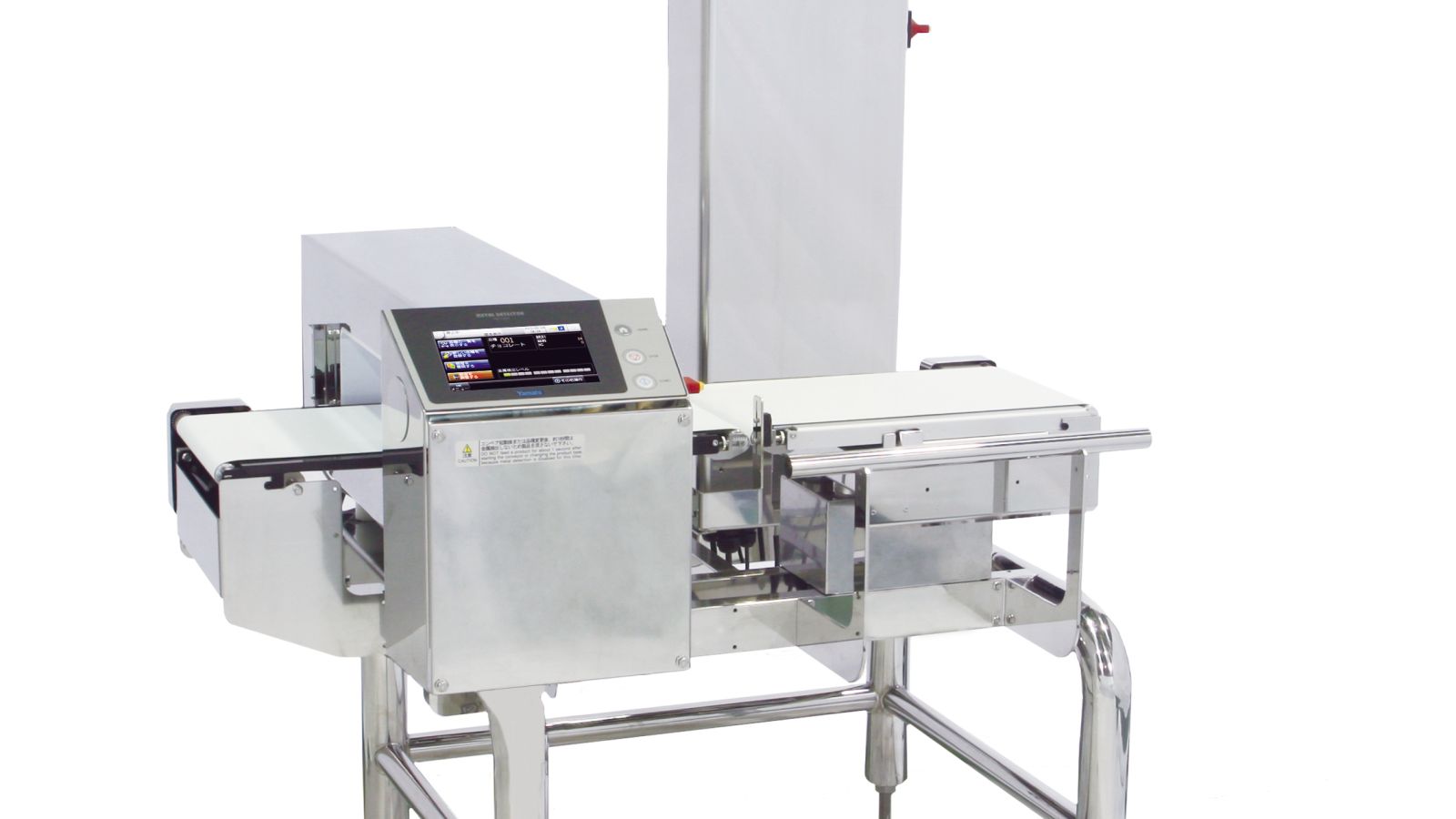
Last updated: August 17, 2026. Inspection systems are the last check before a package leaves the line — and they answer different questions than the machines that made the package. A metal detector finds ferrous and non-ferrous metal; an X-ray system finds metal, glass, stone, bone and dense plastics by density difference; a checkweigher verifies the weight is legal and the fill is not giving product away. Treating them as one interchangeable category is the most common inspection sourcing mistake.
This entry explains the principles. For the surrounding equipment, see the Packaging Machinery topic and the Sealing & Closing category, where seal integrity connects directly to inspection.
Metal detection: the balanced-coil principle
A metal detector passes the package through a balanced electromagnetic field created by a transmitter coil and receiver coils. Metal disturbs the field and triggers a reject signal. The key distinction is between ferrous metal (easy, magnetic), non-ferrous metal such as aluminium and brass, and stainless steel, which is the hardest to detect reliably. Detection is also affected by the product itself — conductive products such as meat, cheese or brine are harder to inspect than dry foods, a problem handled by phase adjustment and product-compensation settings.
X-ray inspection: density, not conductivity
X-ray systems measure the density of the product and flag anything denser than expected — metal, glass, stone, bone and some dense plastics. Because X-ray does not depend on the product being non-conductive, it inspects the products that defeat metal detectors, and it can also verify completeness (missing items, broken pieces) and check mass. The trade-off is higher cost and the need for radiation-safety practices around the machine.
Checkweighing: weight as a legal and cost control
A checkweigher weighs every package in motion and rejects those outside a defined tolerance. It serves two masters at once: legal metrology (the fill must not be below the declared weight) and cost control (the fill must not consistently give away product). In regulated markets the checkweigher is calibrated against the destination's legal framework — average-weight rules such as the EU MID / OIML R51 and WELMEC 6.5, or NIST Handbook 44 in the United States.
Vision and seal-integrity inspection
Vision systems check the package itself — label presence and placement, code legibility, and visible defects. Seal-integrity inspection closes the loop with the sealing machine: a bubble-emission leak test or burst test confirms the seal actually holds, which matters most for MAP and vacuum packs. Inspection is therefore not one machine but a family of checks chosen against the risk you are trying to catch.
Choosing an inspection point
- What are you actually catching? Metal-only, or also glass/stone/bone? The answer decides metal detection versus X-ray.
- Is the product conductive? Meat, cheese and brine push you toward X-ray or a more capable metal detector.
- Is weight a legal requirement? If the fill is regulated, a checkweigher is not optional.
- Where in the line? Inspection after sealing catches contamination introduced upstream; inspection before sealing may be needed for product that is then sealed.