Last updated: August 17, 2026. Modified Atmosphere Packaging (MAP) replaces the air inside a finished package with a controlled gas mixture, then seals it in. The goal is to slow microbial growth and oxidation so the product keeps longer without preservatives. The principle is simple; the engineering is not — the modified atmosphere only works as long as the seal keeps it in.
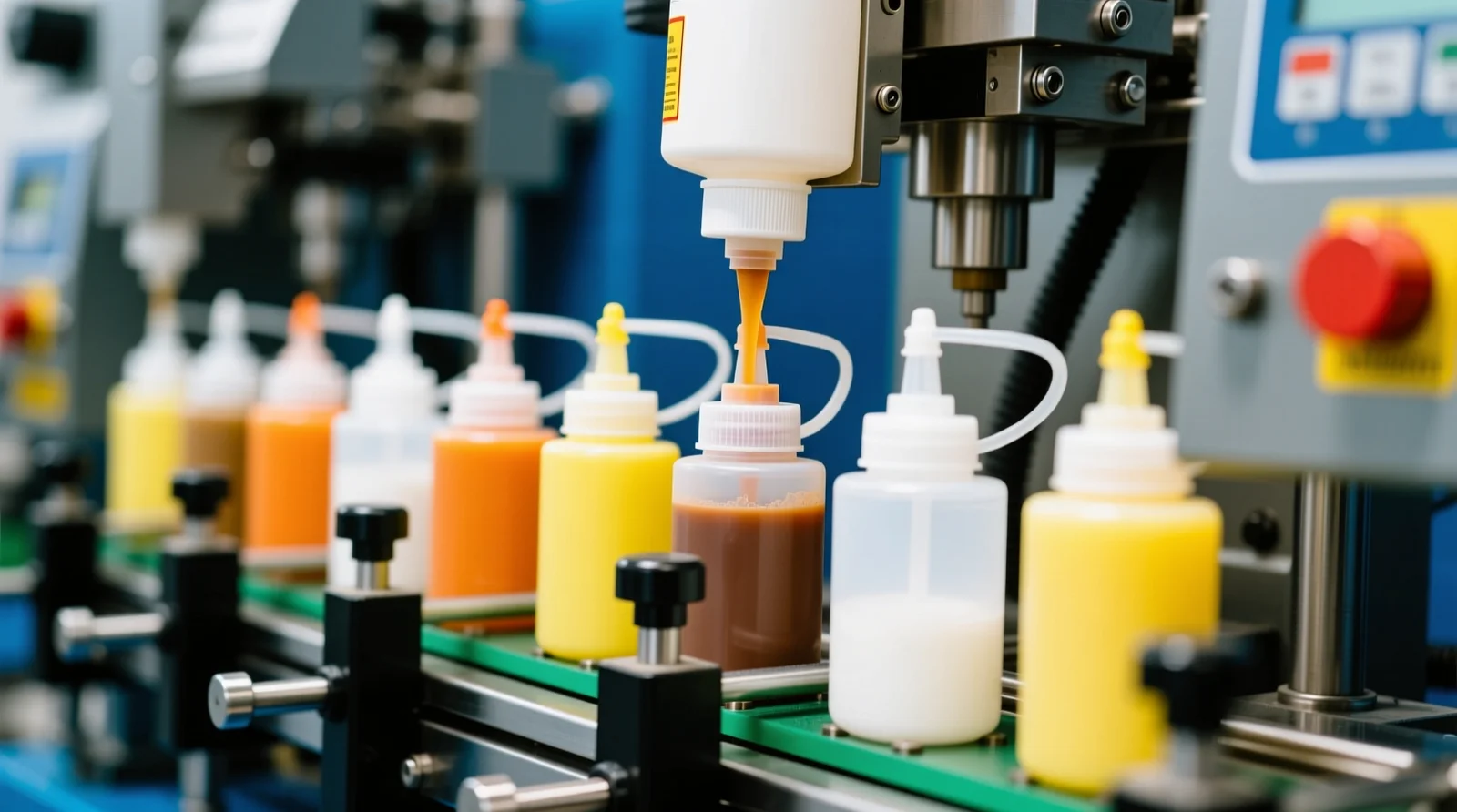
This entry explains the principle. For the machine side, MAP is delivered by gas-flushed VFFS/HFFS baggers or by tray sealers that evacuate and backfill gas before sealing. Browse the Sealing & Closing equipment category for related machines.
The three gases and what they do
Most food MAP uses three gases in different proportions:
- Carbon dioxide (CO&sub2;) — inhibits the growth of many spoilage bacteria and moulds. Too much CO&sub2; can make the package collapse (the gas dissolves into the product) or taint flavour.
- Nitrogen (N&sub2;) — an inert filler that displaces oxygen and keeps the package puffed without reacting with the food.
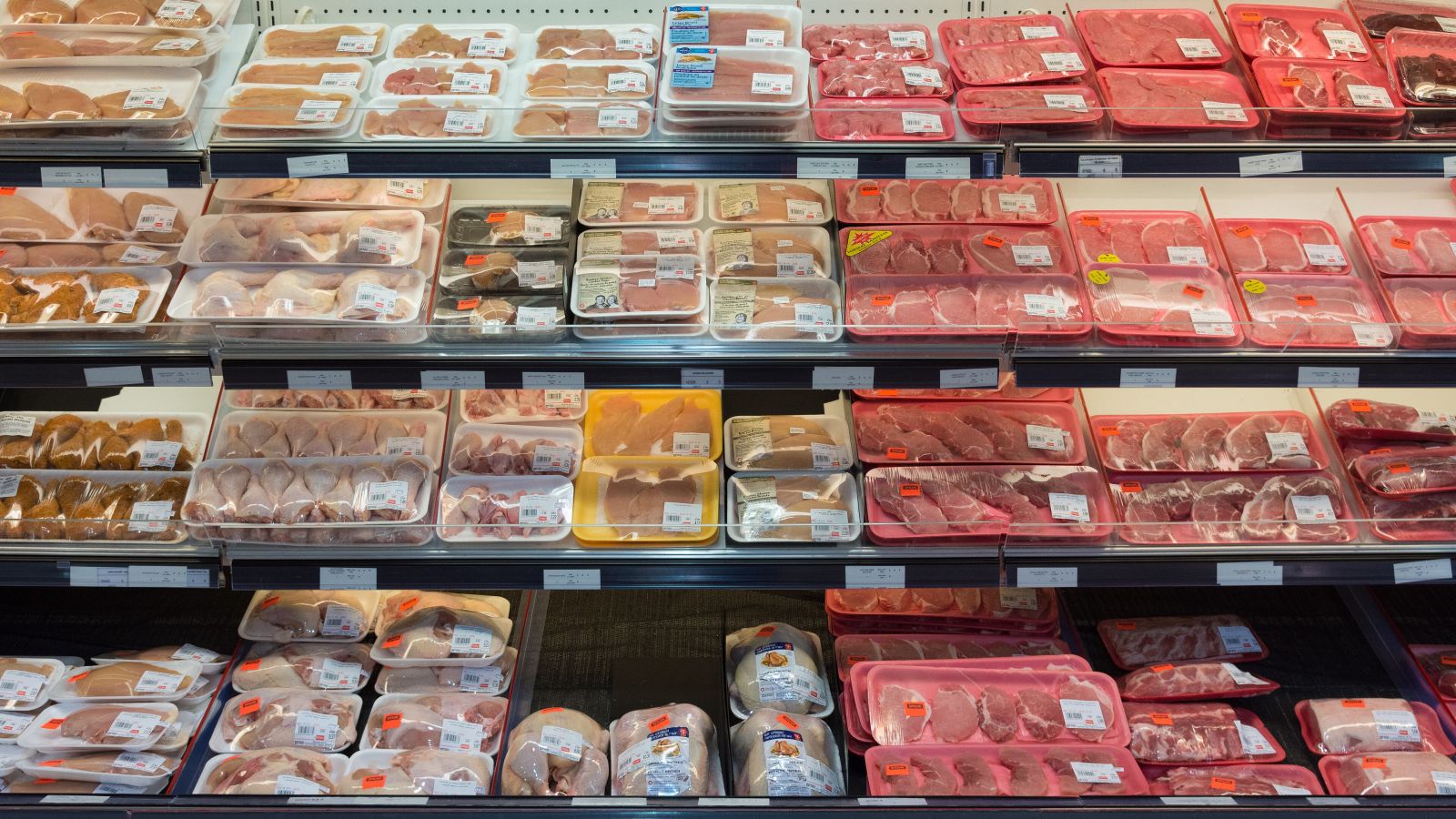
- Oxygen (O&sub2;) — usually reduced to slow oxidation and aerobic spoilage, but deliberately kept in some fresh-meat packs to hold the red colour the consumer expects.
The correct mixture is product-specific: fresh red meat, bakery, cheese, and fresh produce each need a different balance, and the wrong mixture can make spoilage worse rather than better.
How the gas gets in
There are two common routes. In gas-flush filling, the machine floods the package with the gas mixture immediately before sealing so it displaces ambient air. In vacuum-and-backfill, the package is evacuated first and then filled with the target gas. Both end at the same point: a sealed pack whose internal atmosphere is no longer ordinary air.
MAP is a seal-integrity problem first
The modified atmosphere is only as good as the seal. A leak that lets the gas mixture exchange with ambient air defeats the entire shelf-life calculation — the gas escapes, oxygen enters, and the product behaves as if it were never MAP-packed at all. This is why seal integrity testing belongs in the acceptance test for any MAP line, not as an afterthought. The same temperature–pressure–dwell relationship described in How a VFFS Machine Works is what determines whether the MAP pack stays gas-tight.
MAP vs CAP: modified once, or controlled continuously
MAP modifies the atmosphere once at sealing. Controlled Atmosphere Packaging (CAP) goes further and maintains a specified gas environment continuously through storage — a storage-room or container technology rather than a packaging-machine technology. Buyers confuse the two because they share the same goal; the packaging machine delivers MAP, not CAP.
What to confirm before specifying MAP
- The exact gas mixture for your product — and who supplies the gas and the gas analyser.
- Residual oxygen target — measured after sealing, not estimated from the flush settings.
- Seal integrity test method — how the line proves the pack holds the atmosphere.
- Film barrier — MAP needs a film with low gas permeability, or the atmosphere bleeds away through the pack itself.